
Thymosin Beta-4
Overview
Research-use actin-binding peptide supplied for studies of cytoskeletal dynamics, cell migration, and tissue-remodeling pathway models.
- Concentration
- 10 mg
- Stock
- In stock
Product details
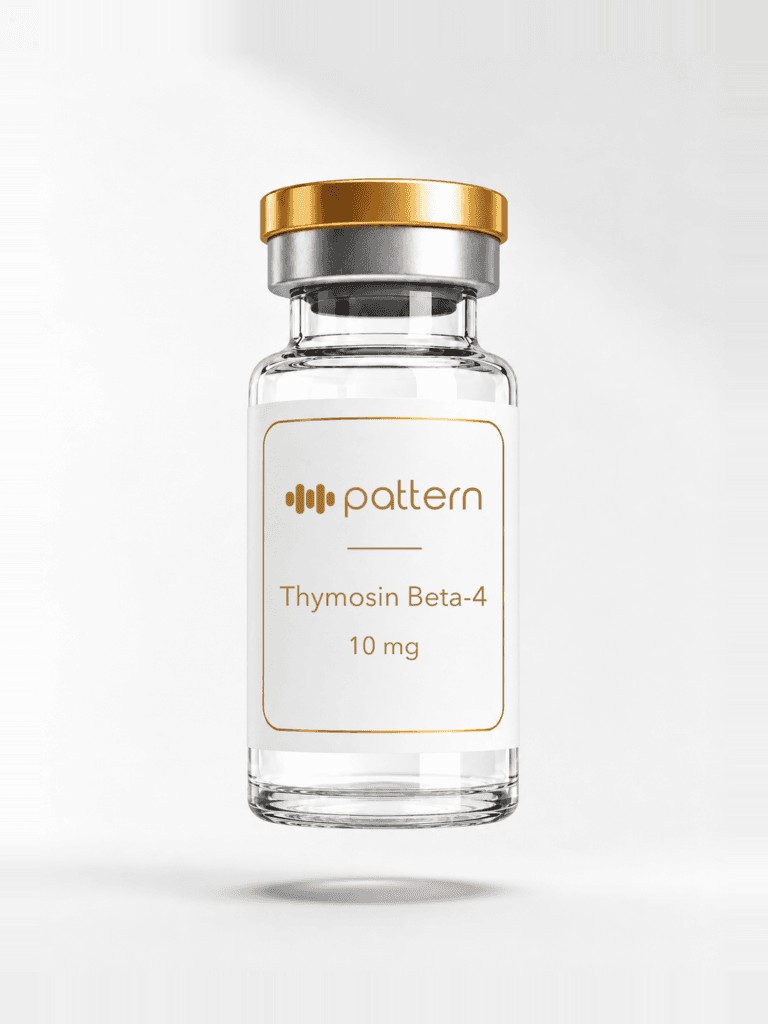
Thymosin Beta-4 is an actin-binding peptide used in research models of cytoskeletal dynamics, cell migration, and tissue-remodeling pathways. Pattern lists this material for controlled laboratory research.
Research Targets: Actin-sequestering systems, cytoskeletal organization, cell migration pathways, angiogenesis-associated signaling.
Key Feature: 43-amino-acid actin-binding peptide format for cell-motility research.
Research Focus Areas: Cytoskeletal dynamics, endothelial and mesenchymal migration models, matrix remodeling, regenerative biology pathway studies.
Common Models: Endothelial cell assays, mesenchymal cell migration studies, tissue-injury model systems.
Mechanistic Interests: Actin polymerization regulation, VEGF pathway markers, cell motility signaling, matrix-remodeling response pathways.
Use Boundary: Research use only; not for human or veterinary use; no diagnostic, therapeutic, or consumption use is implied.
Product documentation
Certificate of Analysis
Thymosin Beta-4
Review the public certificate available for this product before creating an account or checking out.
Research context
Peptide guide
Open full guide- Guide profile
- Tissue Repair Peptide (TB-500)
- Composition
- Naturally occurring 43-amino-acid peptide first isolated from thymus gland tissue, present in high concentrations in blood platelets, wound fluid, and most tissues; often used as synthetic fragment TB-500 (containing the active sequence)
- Discovery
- First isolated from thymus gland in the 1960s-1970s during research on thymic peptides and immune function; later recognized for widespread tissue repair and regenerative properties beyond immune modulation
- Research scope
- Extensive preclinical research demonstrates thymosin beta-4's tissue repair, anti-inflammatory, and regenerative properties across multiple organ systems
- Regulatory status
- No FDA approval for human use; lacks large-scale RCTs. Evidence from preclinical models, veterinary use, and small human exploratory studies
Safety context
- Active cancer or history of malignancy (angiogenesis concerns)
- Hypersensitivity to thymosin beta-4/TB-500 or components
- Pregnancy or breastfeeding (insufficient safety data)
Research-use notice: Thymosin beta-4/TB-500 has substantial preclinical literature for wound healing, tissue repair, cardioprotection, and neuroprotection, but it is not FDA-approved for human therapeutic use. Human clinical data remain limited to small trials, case series, and uncontrolled reports. Long-term safety and efficacy require further study, angiogenesis-related cancer caution remains relevant, and compounded quality varies.
Full guide includes 10 reference entries.
One kit adds 10 vials to WooCommerce checkout.